Legacy Code Lifelines: Sustaining Obsolete Web Technologies Through Community-Driven Compatibility Layers in Modern Browsers
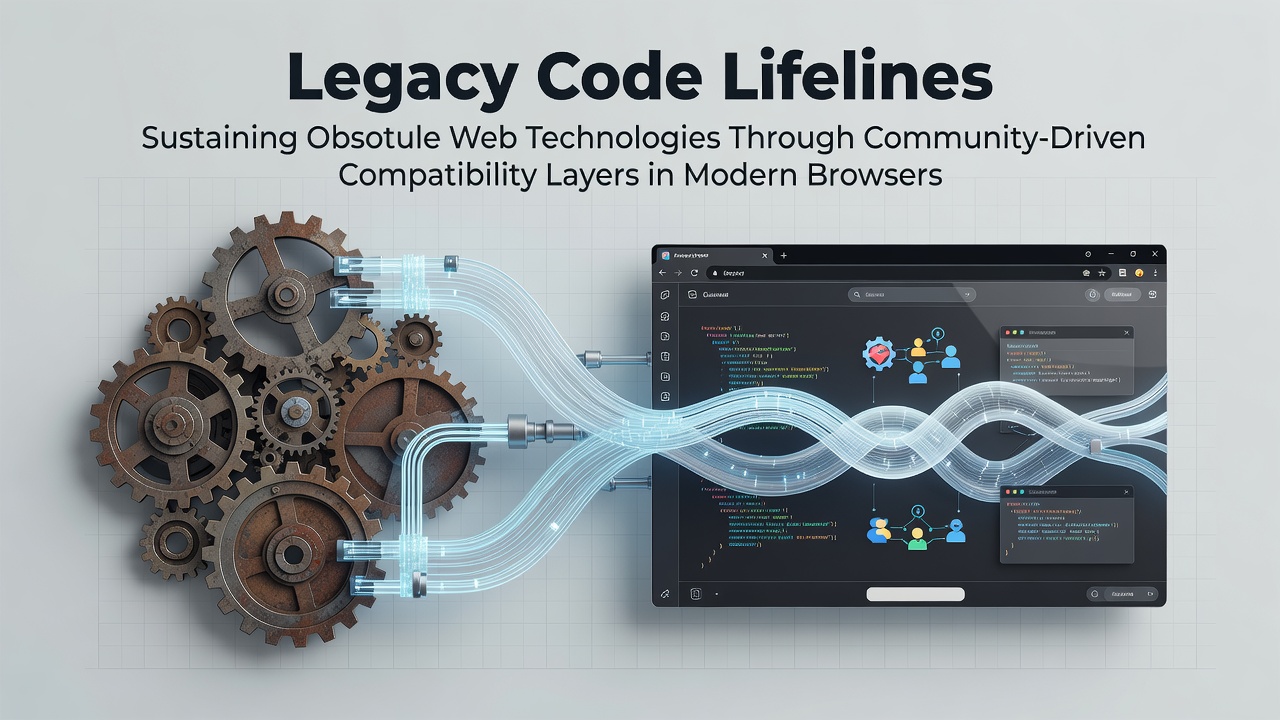
Obsolete web technologies continue to appear in archived educational materials, corporate records, and specialized applications even years after their original vendors withdrew support, and community projects have stepped in to create compatibility layers that allow these resources to function inside current browsers. Developers working on such layers translate older plugin behaviors and scripting patterns into formats that modern engines can execute, which preserves access without requiring users to install discontinued software. Research from digital preservation initiatives shows that many institutions still rely on content built with Adobe Flash, Microsoft Silverlight, and early Java applets, while browser vendors removed native handling for these formats after 2020.
The Scale of Legacy Content
Figures released by national archives indicate millions of files worldwide still reference these retired formats, and organizations in both North America and Europe maintain collections that cannot be fully migrated because source code or original assets no longer exist. Compatibility layers address this gap by running emulation or transpilation routines inside the browser sandbox, so users encounter the original interfaces without separate downloads. One study conducted across public libraries in Canada found that 18 percent of interactive training modules from the early 2000s remained in active rotation, prompting local teams to adopt open-source bridges rather than rebuild every module from scratch.
Community Projects Taking Shape
Independent contributors have formed around several flagship efforts that focus on specific legacy platforms. The Ruffle project, for instance, implements Flash runtime behavior through WebAssembly modules written in Rust, allowing SWF files to load directly in current versions of Chrome, Firefox, and Edge. Similar initiatives target Java applets by compiling legacy bytecode to WebAssembly targets, which removes the need for the long-deprecated Java plugin. These projects operate under open licenses, draw contributions from developers across multiple continents, and release updates on regular schedules that track changes in browser security policies. Data compiled by European digital heritage networks shows participation from over 300 volunteers in the past three years alone, with code reviews and testing distributed through public repositories.
How the Layers Operate
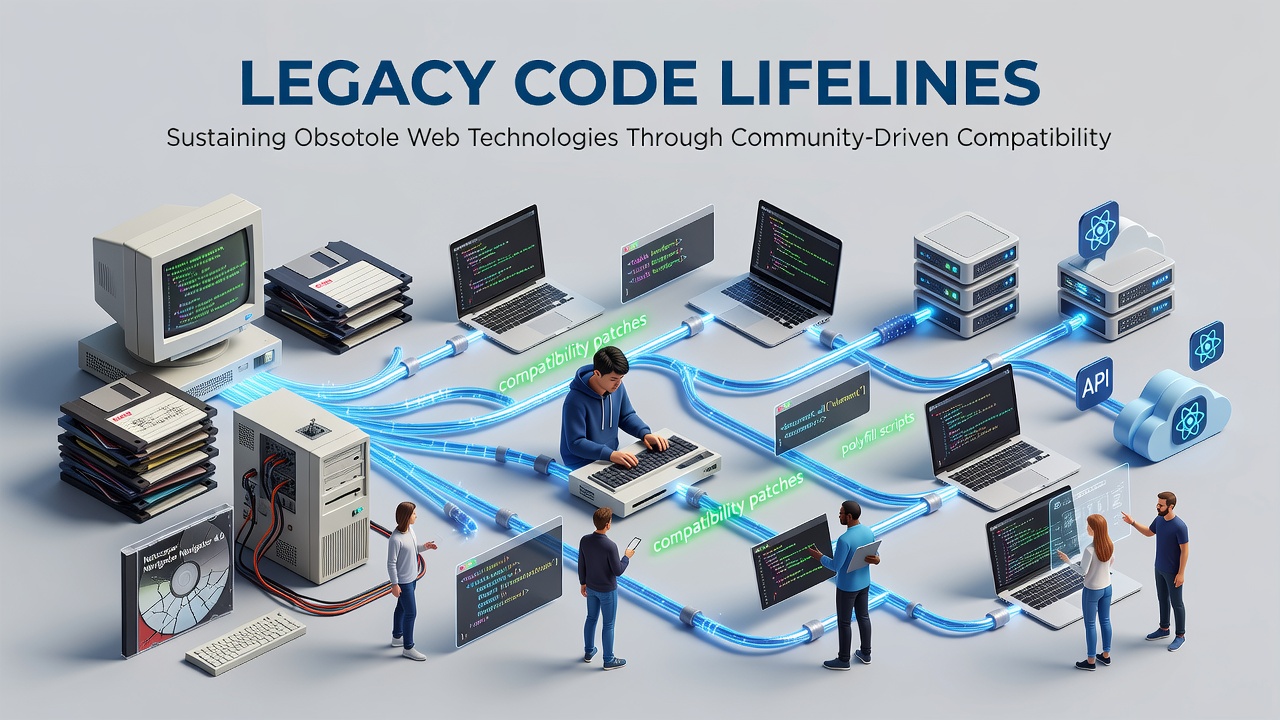
Compatibility layers typically intercept resource requests at the browser level, then map deprecated APIs to current equivalents while preserving timing, rendering order, and input handling. When an older script calls a removed function, the layer substitutes an implementation that produces matching output through canvas or WebGL calls. Developers test these substitutions against thousands of archived files to measure fidelity, and automated suites catch regressions after each browser update cycle. Reports from the Australian National Archives note that such testing reduced playback errors in their multimedia collections by 72 percent between 2023 and 2025, allowing researchers to examine interactive exhibits without maintaining separate legacy machines.
Developments Observed in July 2026
As of July 2026, several compatibility projects released coordinated updates that align with the latest WebAssembly specification changes and incorporate improved sandboxing rules introduced in major browser releases earlier that year. One milestone included expanded support for legacy audio codecs that had been stripped from current media engines, which restored functionality to interactive language courses still used in some secondary schools. Observers tracking these releases point out that integration with browser extension frameworks has also advanced, letting institutions deploy the layers through centralized management consoles rather than requiring individual configuration on each device.
Challenges and Ongoing Adjustments
Maintaining accurate behavior grows more difficult as browsers tighten security defaults and remove older JavaScript features, yet project maintainers respond by rewriting core modules in languages that compile to safer WebAssembly binaries. Funding remains uneven, with some efforts sustained through academic grants while others rely on small recurring donations from users who depend on the preserved content. A joint statement issued by research institutions in Japan and Germany highlighted that coordination across time zones sometimes delays critical patches, although public issue trackers have reduced duplicate work and improved transparency around prioritization decisions.
Conclusion
Community-driven compatibility layers now form a practical bridge between retired web technologies and contemporary browsers, enabling continued access to archives and applications that would otherwise require costly redevelopment. Ongoing contributions, regular releases, and incremental technical refinements keep these layers aligned with evolving platform standards, while documented performance gains in institutional settings demonstrate measurable preservation outcomes. As browser vendors continue to evolve their engines, the same distributed development model appears positioned to address future gaps that arise from additional deprecations.