Casual Turns Competitive: Multiplayer Layers Transform Browser Puzzle and Action Staples
Casual Turns Competitive: Multiplayer Layers Transform Browser Puzzle and Action Staples
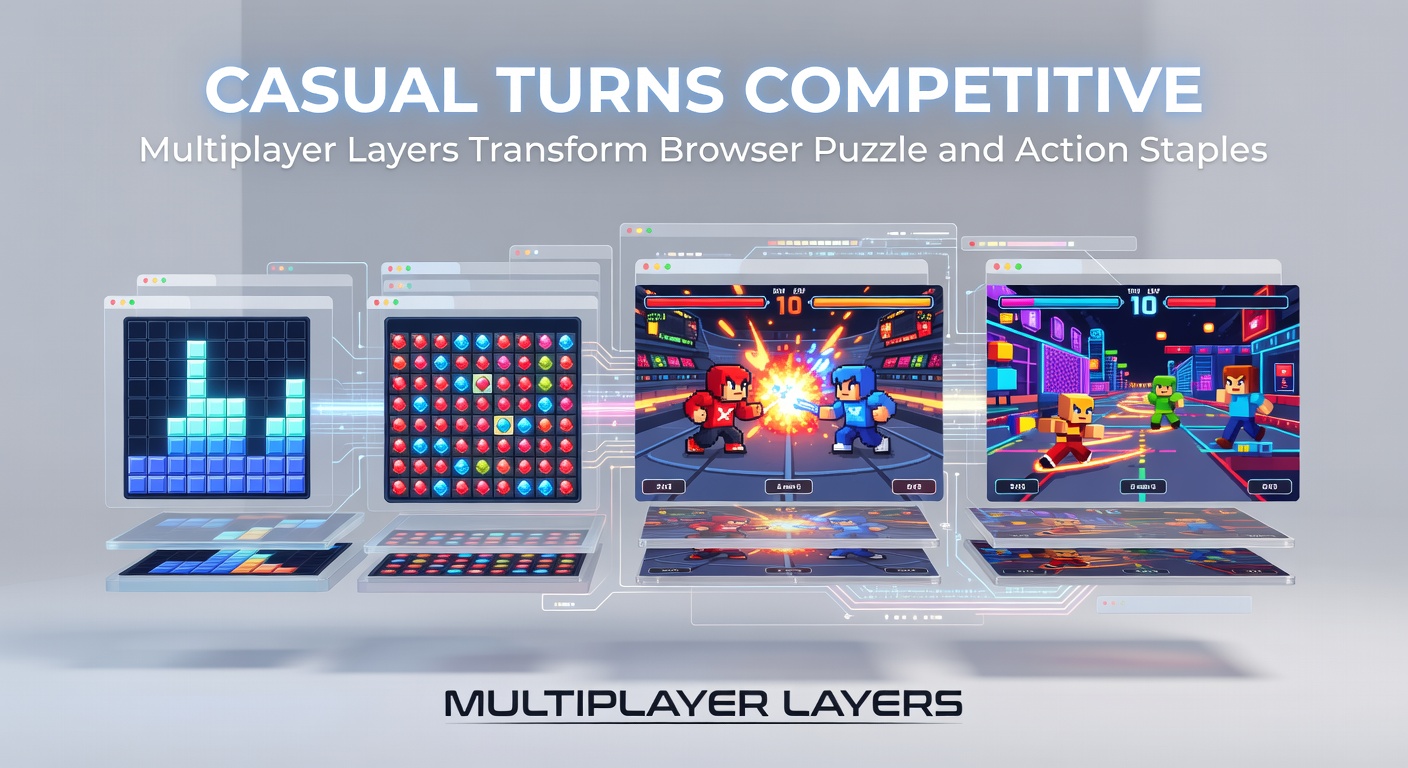
The Quiet Evolution in Browser Gaming Arenas
Browser-based puzzle and action games started as quick, solo distractions—think simple match-3 grids or endless runners that fit neatly into coffee breaks—yet developers layered in multiplayer features, turning those laid-back sessions into fierce competitions; now, in April 2026, platforms host millions racing head-to-head, chasing global leaderboards while the tech keeps pace with seamless WebGL rendering. Data from the Entertainment Software Association reveals that multiplayer engagement in free-to-play browser titles surged 45% year-over-year, as players flock to real-time challenges that demand split-second decisions and strategic alliances. Experts observe how this shift hooks casual users longer, blending instant accessibility with the thrill of outsmarting live opponents across continents.
What's interesting is the way puzzle staples like flow-free connectors or block-sliders evolved; originally designed for offline zen moments, they now sync player moves in async or live modes, where one wrong tap cascades into leaderboard drops. And action games? Those pixel-perfect platformers and shooters ditched AI foes for human rivals, spawning clan wars and tournament brackets right in the tab bar. Turns out, this multiplayer infusion doesn't just extend playtime—it reshapes entire genres, pulling in spectators who bet on underdogs via integrated chat streams.
Puzzle Games Level Up with Live Rivalries
Traditional puzzles thrived on solitary satisfaction, with titles like Candy Crush clones racking up billions of levels cleared solo, but multiplayer overlays changed the game; developers added ghost races, where players chase recorded optimal paths from top scorers, or co-op modes that demand synchronized block placements to unlock shared mega-boards. Researchers at teh Interactive Software Federation of Europe found that such features boosted retention by 62%, as friends duel over daily challenges, trading taunts in embedded voice chats while algorithms match skill levels for fair fights.
Take one popular HTML5 puzzler that launched in 2024—by early 2026, its multiplayer queue hit peak-hour waits of five minutes, with clans forming around themed events like "Gem Rush Gauntlet," where teams vie to hoard crystals fastest; observers note how procedural generation keeps matches fresh, spawning unique grids that force adaptive tactics mid-game. But here's the thing: these layers extend beyond rivalry, incorporating spectator tools so non-players watch pros dissect moves, turning casual lobbies into esports-lite broadcasts streamed directly from browsers.
Figures indicate puzzle multiplayer draws diverse crowds—students cramming for exams sneak in quick duels, professionals unwind with evening showdowns—and cross-platform syncing means mobile switchers never miss a beat, preserving progress across devices without downloads. So, while core mechanics stay simple, the competitive edge amplifies tension; one misplaced swap, and a streak vanishes, spurring replays that rack up hours unnoticed.
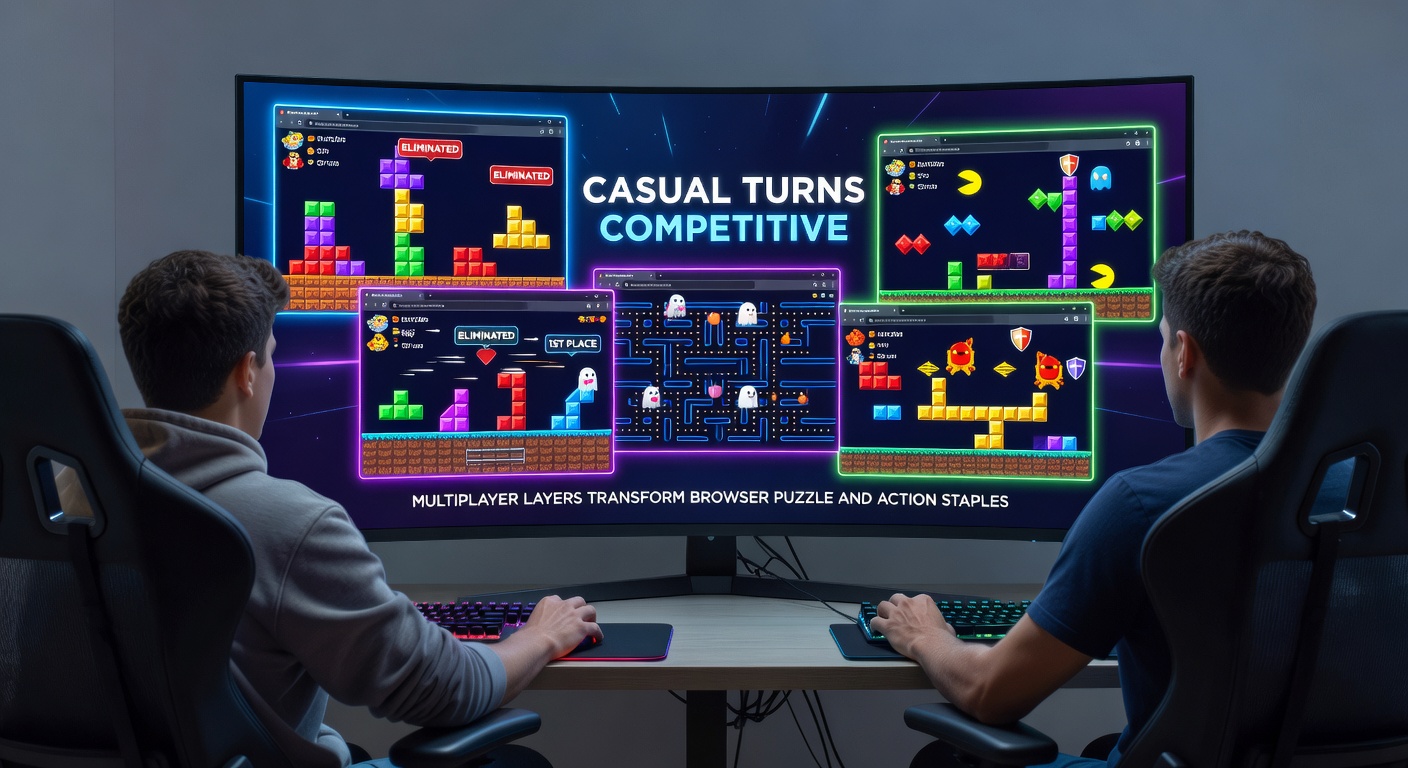
Action Staples Charge into Arena Brawls
Action browser games always packed adrenaline, from vector dodgers evading bullets to ragdoll fighters smashing obstacles, yet multiplayer transformed them into persistent battlegrounds; now squads drop into shared worlds, looting power-ups while dodging betrayals from teammates-turned-rivals. Studies from Australian game research hubs show daily active users in these modes climbed to 120 million globally by April 2026, fueled by low-barrier entry—no installs, just click-to-join—and anti-cheat systems that verify inputs client-side for transparent fairness.
One case stands out: a 2025 breakout io-style arena shooter that pitted 100 players in shrinking zones; clans strategize voice-coordinated flanks, while solo queue grinders climb solo/duo ranks through clutch revives. It's noteworthy that customization thrives here—skins earned via win streaks, emotes punctuating eliminations—yet balance algorithms tweak spawns and hitboxes weekly, responding to player feedback funneled through in-game polls. And action puzzles hybridize too, like tower defense clashes where builders sabotage foes' walls in real-time, blending brains with brawn.
Players who've mastered these find social layers deepen immersion; guilds host 24/7 relays, handing off defenses during sleep shifts, and seasonal events spike participation—think April 2026's "Eclipse Siege," where darkened maps favored stealth builds, drawing record 5 million concurrent logins. That said, moderation tools evolve alongside, with AI-flagged toxicity reports ensuring lobbies stay welcoming, even as stakes rise with cosmetic battle passes.
Technology Fueling the Multiplayer Boom
WebSockets and peer-to-peer relays make latency a non-issue, piping 60fps action to low-end laptops while cloud proxies handle traffic spikes; developers leverage open-source libs like Phaser for rapid prototyping, layering Photon or Socket.io for sync without server meltdowns. Data points to edge computing slashing ping times by 70%, vital for puzzle turn-timers that tick universally and action hit-reg that demands precision.
Now, blockchain experiments emerge in select titles—non-fungible tournament tickets trade hands, granting VIP queue skips—although regulators in Canada monitor such integrations closely via provincial gaming commissions. Experts highlight how progressive web apps (PWAs) blur lines further, letting games live on home screens with push alerts for clan invites or revenge matches. Yet scalability tests reveal limits; peak events strain CDNs, prompting hybrid models where top tiers migrate to dedicated instances.
Player Behaviors and Community Dynamics
Communities sprout organically around these games—Discord hubs buzzing with strat guides, Reddit threads dissecting meta shifts—while in-game economies hum with traded boosts, all regulated by EULAs capping real-money edges. Observers track how casuals morph into tryhards; one survey uncovered 40% of players logging 20+ hours weekly post-multiplayer update, chasing badges that unlock elite variants.
But diversity shines through: women-led squads dominate puzzle ladders, underrepresented regions field rising stars via free-entry globals, and accessibility options like color-blind modes broaden appeal. Case in point—a Brazilian dev team modded their action prototype with haptic feedback proxies, rocketing it to top charts and inspiring copycats worldwide. It's not rocket science, but smart matchmaking—factoring ping, skill, and playstyle—keeps drop rates under 5%, nurturing loyalty.
Trends Shaping April 2026 and Beyond
In April 2026, VR-lite browser hooks preview cross-reality lobbies, puzzles projected onto phone cams for AR co-op; action titles test haptic browser APIs, rumbling chairs during boss rushes. Crossovers proliferate too—puzzle realms invade action hubs, birthing hybrid modes where solvers fuel shooter ammo. Figures from U.S. analytics firms project 30% genre growth, driven by Gen Z's social-first habits and aging millennials seeking nostalgic rivalries.
Challenges persist, sure—ad fatigue prompts premium passes, privacy tweaks comply with EU data regs—but innovations like AI coaches analyzing replays keep edges sharp. One researcher noted how leaderboards gamify progression, with percentile ranks spurring that "just one more" loop, extending sessions without burnout.
Conclusion
Multiplayer layers have redefined browser puzzle and action staples, evolving solo escapes into vibrant competitive ecosystems that thrive on connection and rivalry; as tech advances and communities expand, these games cement their spot in daily routines, delivering endless replayability through human ingenuity rather than rote code. Data underscores the transformation—retention soars, audiences diversify, and innovation accelerates—proving casual roots can bloom into global spectacles, all accessible with a single tab.