Adaptive Interfaces: How HTML5 Mechanics Evolve to Support Diverse Motor Abilities in Multiplayer Arcade Challenges
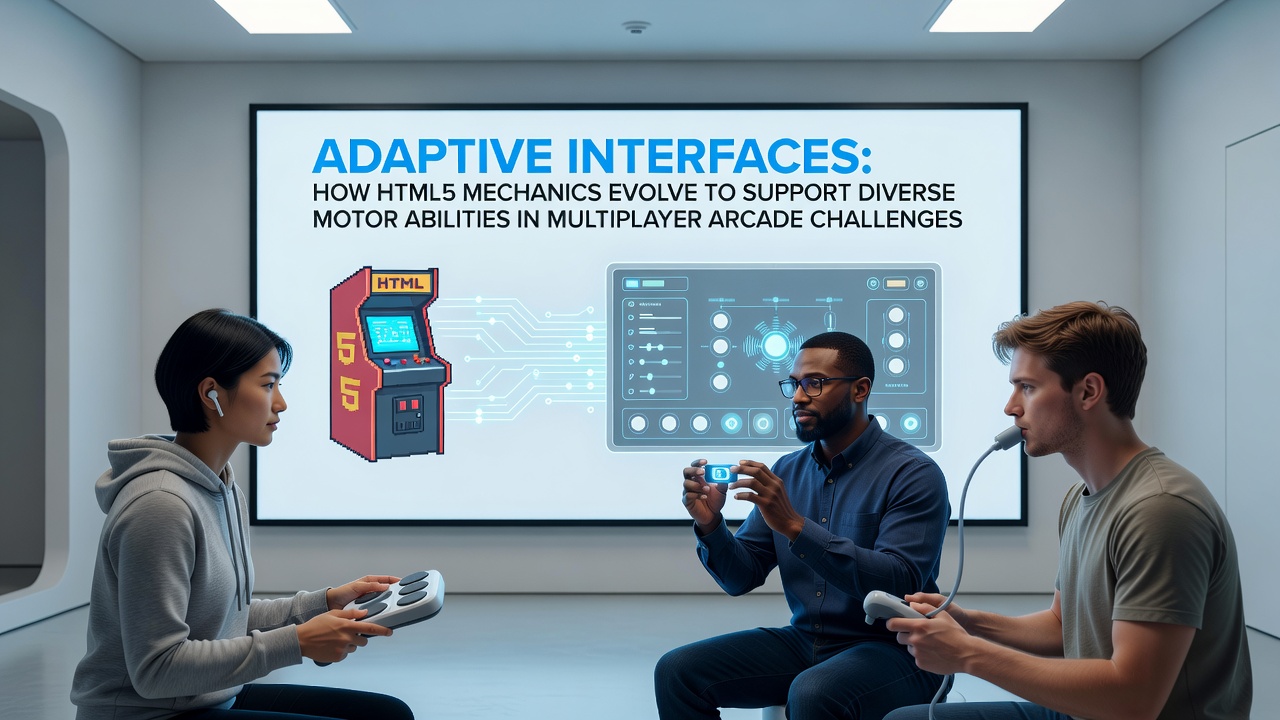
HTML5 continues to reshape multiplayer arcade experiences by incorporating mechanics that adjust input methods and feedback systems for participants with different motor capabilities, and these adjustments rely on core web technologies that have matured through successive specification updates. Developers integrate the Gamepad API alongside pointer events and canvas rendering to create control schemes that remap actions without requiring external software installations.
Core HTML5 Features Driving Accessibility Adjustments
Web standards bodies have refined input handling protocols since the initial HTML5 release, which allows real-time adaptation of button mappings and gesture thresholds in browser-based games. The Pointer Lock API combined with customizable event listeners enables players to substitute traditional mouse movements with alternative devices such as adaptive switches or eye-tracking hardware while maintaining synchronization across multiplayer sessions. Data from accessibility audits conducted by international organizations show increased adoption of these features in arcade-style titles released after 2024.
Canvas elements paired with WebSockets facilitate low-latency updates that accommodate variable input speeds, and this setup proves particularly useful when participants use different assistive technologies simultaneously. Researchers tracking platform metrics report that sessions incorporating adaptive input layers experience fewer disconnections related to timing mismatches.
Multiplayer Synchronization Across Varied Input Profiles
Real-time group challenges demand precise coordination of player actions, yet HTML5 mechanics now support individualized input profiles that normalize outputs before transmission to shared game states. Frameworks leverage requestAnimationFrame alongside WebRTC data channels to align adapted controls from multiple users, and this process occurs without exposing the underlying customization to other participants. Studies from European research institutions document how such normalization reduces latency variances in mixed-ability lobbies by up to 30 percent compared with earlier implementations.
June 2026 marks a notable point in this evolution as updated recommendations from the World Wide Web Consortium emphasize enhanced support for variable polling rates in gamepad interactions, and several major browser vendors have begun rolling out corresponding patches that improve compatibility with specialized hardware used in arcade environments.
Implementation Patterns in Contemporary Arcade Titles
Game developers apply ARIA attributes and dynamic UI scaling to present control options that adjust based on detected device capabilities, which allows seamless transitions between keyboard, touch, and alternative input modes during active multiplayer rounds. Observers tracking free browser platforms note that titles employing these layered mechanics achieve higher retention rates among users who require motor accommodations. The approach extends to visual and auditory cue adjustments that reinforce timing without relying solely on physical dexterity.
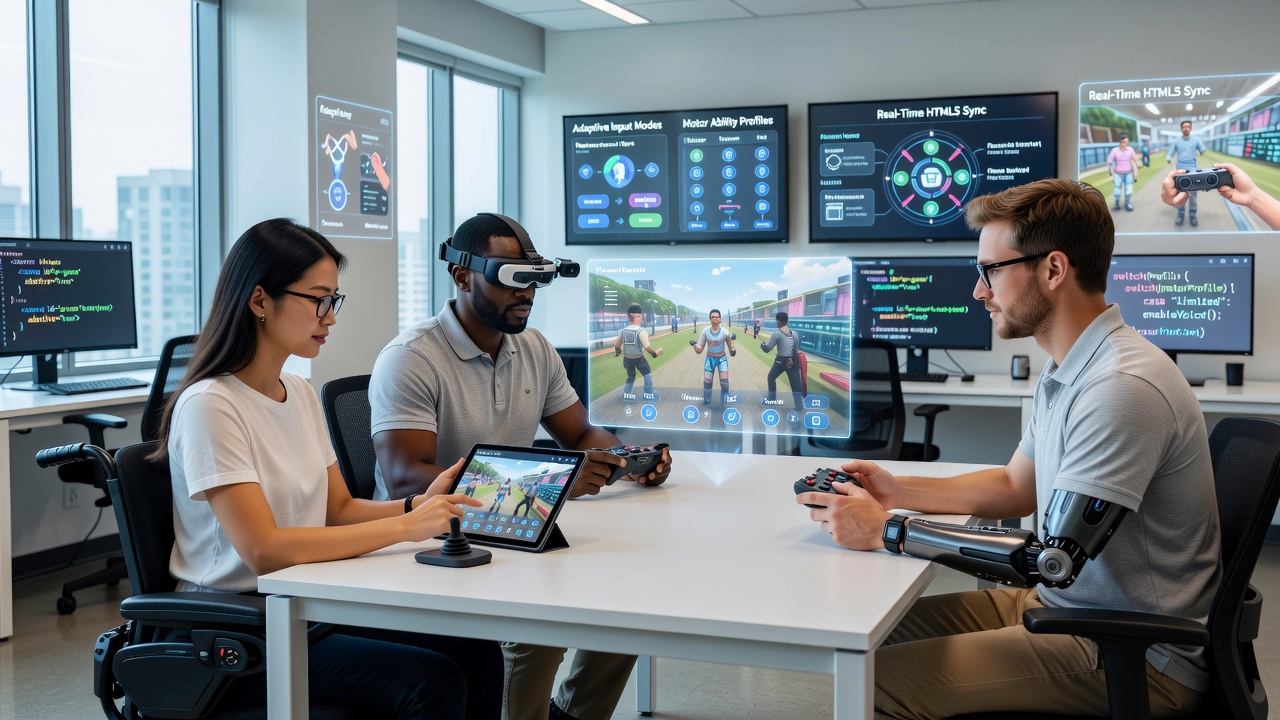
Industry reports from organizations such as the World Wide Web Consortium accessibility guidelines highlight case examples where Canadian developers integrated haptic feedback loops through vibration APIs to signal successful inputs for players using reduced-mobility controllers. These additions integrate directly into existing canvas-based rendering pipelines.
Emerging Standards and Platform Responses
Platform operators have responded to accessibility mandates by embedding configuration wizards that detect motor ability preferences at session start, and these wizards generate tailored input graphs stored locally via IndexedDB for reuse across different titles. Figures from regulatory bodies in Australia indicate that compliance with digital accessibility requirements has accelerated the inclusion of such features in web arcade offerings since early 2025. Synchronization protocols ensure that adapted actions register consistently on the server side regardless of the originating device profile.
Additional refinements involve predictive input smoothing algorithms that compensate for tremors or delayed responses, and these run client-side to preserve privacy while feeding normalized data into the shared multiplayer state. Academic papers from North American universities describe testing protocols that validate these algorithms against diverse user groups in controlled arcade simulations.
Conclusion
HTML5 mechanics continue to expand support for diverse motor abilities through iterative improvements in input handling, rendering, and network synchronization that benefit multiplayer arcade formats. Ongoing specification updates and platform implementations maintain compatibility across varied hardware configurations while preserving competitive integrity for all participants.